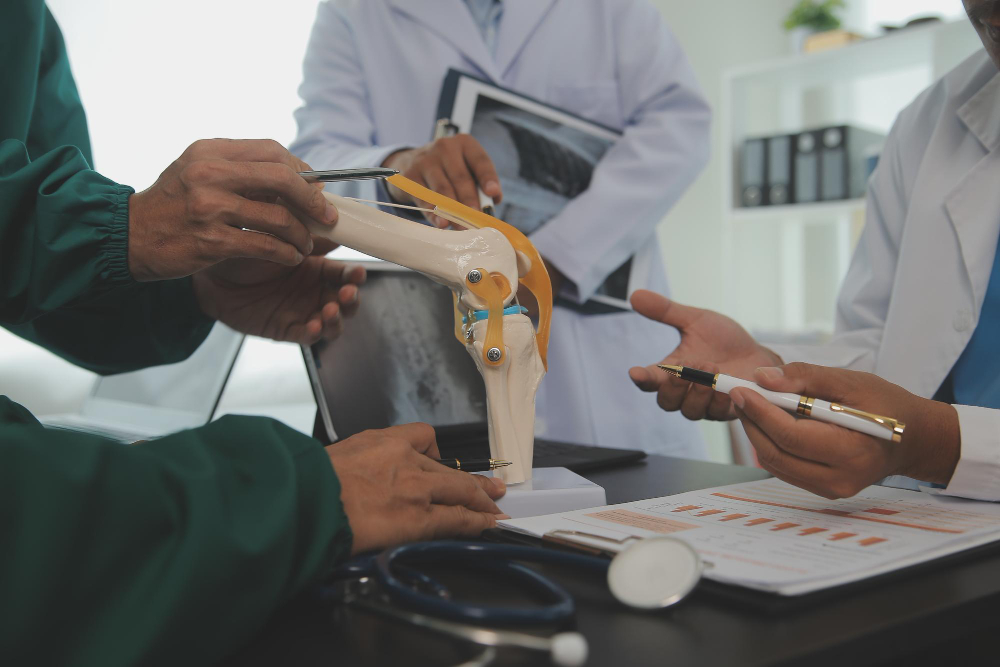
What is Knee Osteotomy?
Knee osteotomy is a surgical procedure that helps correct bone alignment in the knee. Doctors often use it to treat early-stage arthritis or uneven wear in the knee joint. During knee osteotomy surgery, the surgeon cuts and reshapes the bones around the knee. As a result, this shifts weight away from the damaged area. For many people, this can reduce pain and improve movement. According to the American Academy of Orthopaedic Surgeons, knee osteotomy is a common option for younger, active patients.
Who Needs Knee Osteotomy?
Not everyone with knee pain needs this surgery. However, knee osteotomy may help if you:
For example, if you have bow legs or knock knees, this surgery may help. Still, your doctor will check your health and knee condition before recommending knee osteotomy.
Types of Knee Osteotomy Procedures
There are two main types of knee osteotomy procedures. Each type depends on which bone needs adjustment. First, there is high tibial osteotomy. In this procedure, the surgeon reshapes the shinbone (tibia). Second, there is distal femoral osteotomy. Here, the surgeon works on the thighbone (femur). Both types aim to shift weight off the damaged part of the knee. Your doctor will choose the best type based on your knee problem and X-rays.
Benefits of Knee Osteotomy
Knee osteotomy offers several benefits, especially for younger patients. Some key benefits include:
Additionally, many people return to sports or daily activities after recovery. Studies in orthopedic journals show that knee osteotomy can provide lasting relief for several years.
Risks and Possible Complications
Like any surgery, knee osteotomy has risks. However, most people recover without major problems. Possible risks include:
Even though these risks exist, your doctor will take steps to lower them. Always follow your surgeon’s advice to help prevent complications.
Recovery and Aftercare Tips
Recovery after knee osteotomy takes time and care. Here are some helpful tips for a smoother recovery:
Most people can walk without help in 6 to 12 weeks. However, full recovery may take several months. For best results, stay active and keep up with exercises.
Prevention and Lifestyle Guidance
While knee osteotomy can help, it is also important to protect your knee health. Here are some simple lifestyle tips:
By following these tips, you can help prevent further knee problems. In summary, healthy habits support your knee after surgery and in daily life.
For personalized advice about knee osteotomy, consult an orthopedic specialist at Neera Hospital.