Introduction
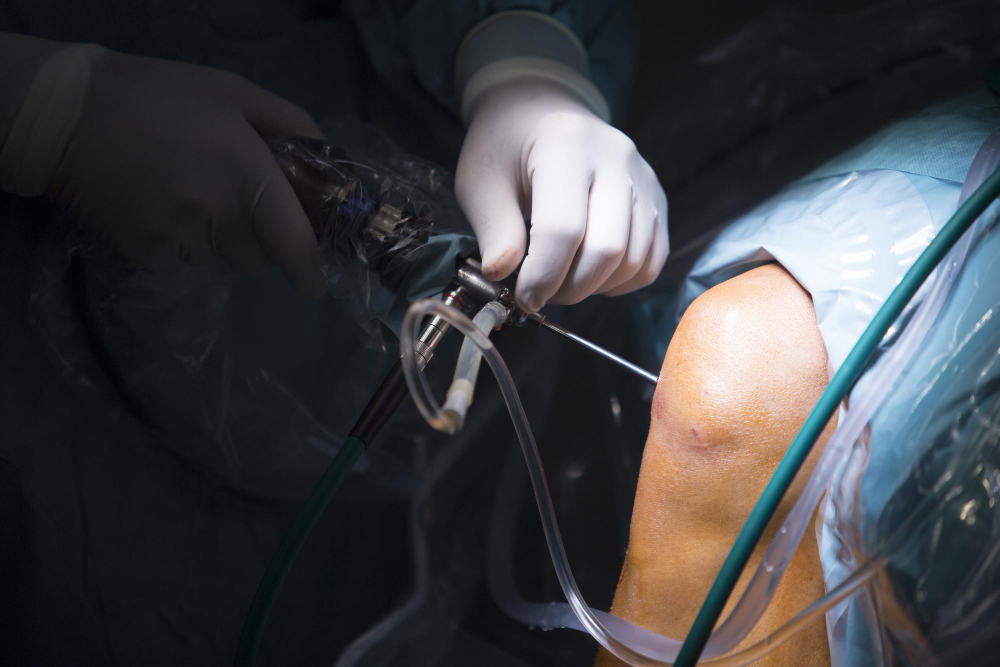
Anterior Cruciate Ligament (ACL) surgery helps repair a torn ligament in your knee. Many people need this surgery after a sports injury or accident. In this guide, we will cover the Dos and Don’ts: Anterior Cruciate Ligament (ACL) Surgery. Knowing what to do and what to avoid is key for a safe and smooth recovery. This blog will help you understand the best steps for post-ACL surgery care and safe rehabilitation.
What is ACL Surgery?
ACL surgery is a procedure to fix a torn ligament inside your knee. The ACL helps keep your knee stable. When it tears, your knee may feel weak or give out. Doctors often use tissue from your own body or a donor to replace the damaged ligament. After surgery, you will need time and care to heal well.
Why Are Dos and Don’ts Important After ACL Surgery?
Following the right steps after ACL surgery helps your knee heal. If you ignore advice, you may slow your recovery or cause more injury. For example, doing too much too soon can harm your new ligament. On the other hand, not moving enough can make your knee stiff. Therefore, it is important to follow your doctor’s instructions and know the dos and don’ts for ACL surgery recovery.
Dos After ACL Surgery
Don’ts After ACL Surgery
Tips for Optimal Recovery and Prevention of Complications
For a smooth recovery, you need to take extra care. First, keep your wound clean and dry to avoid infection. Next, do your exercises every day as your therapist shows you. Also, watch for signs of blood clots, such as swelling or pain in your calf. If you notice these, call your doctor. In addition, avoid smoking, as it can slow healing. Finally, stay positive and patient. Healing takes time, but steady progress is normal.
When to Contact Your Doctor
Sometimes, problems can happen after ACL surgery. You should call your doctor if you notice:
If you have any of these signs, contact your healthcare provider right away. Early action can prevent serious problems. (Sources: CDC, American Academy of Orthopaedic Surgeons)
Conclusion
In summary, following the dos and don’ts after ACL surgery is key for a safe recovery. Always listen to your doctor and take care of your knee. For the best results, consult Dr Sandeep Gupta for personalized guidance on ACL surgery recovery.