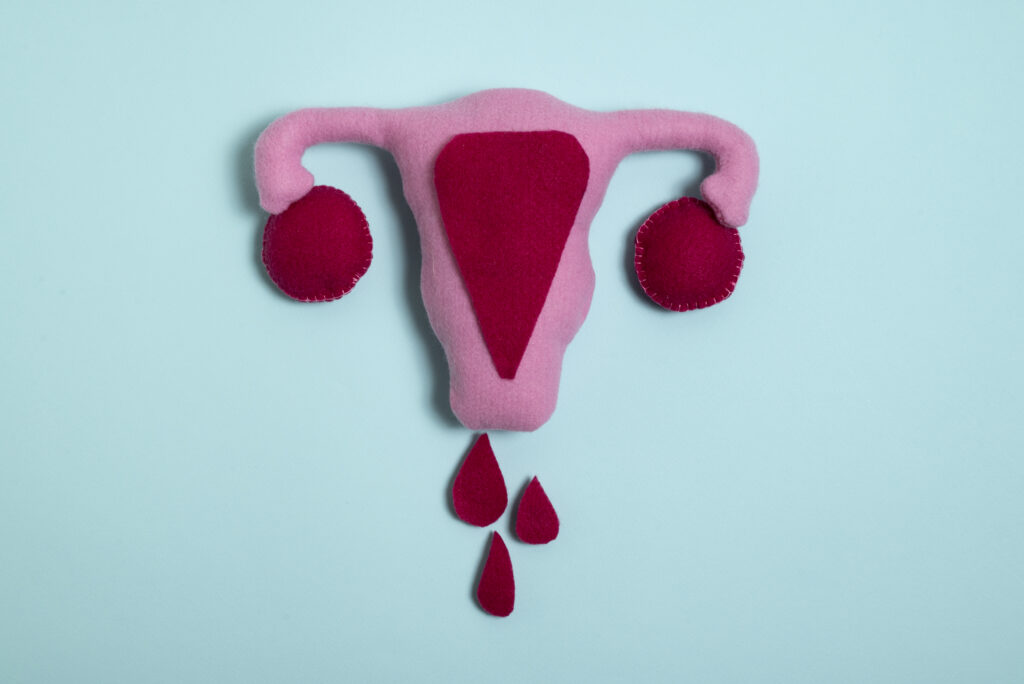
What Is Abnormal Uterine Bleeding?
Abnormal uterine bleeding means bleeding from the uterus that is not normal. It can happen at any age, but it is most common in women of childbearing age. Usually, periods come every 21 to 35 days and last up to seven days. However, abnormal uterine bleeding can cause bleeding that is heavier, lighter, or happens at unexpected times. In the United States, many women experience this problem at some point in their lives.
Common Symptoms and Warning Signs
It is important to notice changes in your period. For example, abnormal uterine bleeding may show up as:
Sometimes, you may also feel tired or weak. This can happen if you lose too much blood. If you notice any of these signs, you should talk to your doctor.
Main Causes and Risk Factors
There are many reasons for abnormal uterine bleeding. Some causes are common, while others are rare. For instance, the most frequent causes include:
Additionally, being overweight or having a family history of bleeding problems can increase your risk. Sometimes, cancer of the uterus or cervix can also cause abnormal bleeding, especially after menopause.
Diagnosis of Abnormal Uterine Bleeding
If you have unusual bleeding, your doctor will ask about your periods and health history. Next, they may do a physical exam. Often, doctors use tests to find the cause. These may include:
Sometimes, your doctor may suggest more tests if needed. If you have very heavy bleeding, severe pain, or feel dizzy, seek medical help right away.
Treatment for Abnormal Uterine Bleeding
Treatment depends on the cause, your age, and your health. For many women, medicines can help. For example, doctors may suggest:
In some cases, surgery may be needed. Options include:
Your doctor will help you choose the best treatment for your needs.
Lifestyle Tips and Prevention Strategies
While you cannot prevent all causes, some steps may help. For instance:
Additionally, regular check-ups can help catch problems early.
When to Seek Urgent Care
Sometimes, abnormal uterine bleeding can be serious. Seek urgent care if you:
Early treatment can prevent complications, so do not wait if you have these symptoms.
Summary
Abnormal uterine bleeding can occur due to various underlying causes, but with timely medical care, most cases can be effectively managed. If you notice changes in your menstrual cycle, unusually heavy bleeding, or irregular periods, it is important not to ignore these symptoms.
Early diagnosis and proper treatment can help protect your reproductive and overall health. Consult Dr. Sandeep Gupta for personalized evaluation and expert guidance on abnormal uterine bleeding.