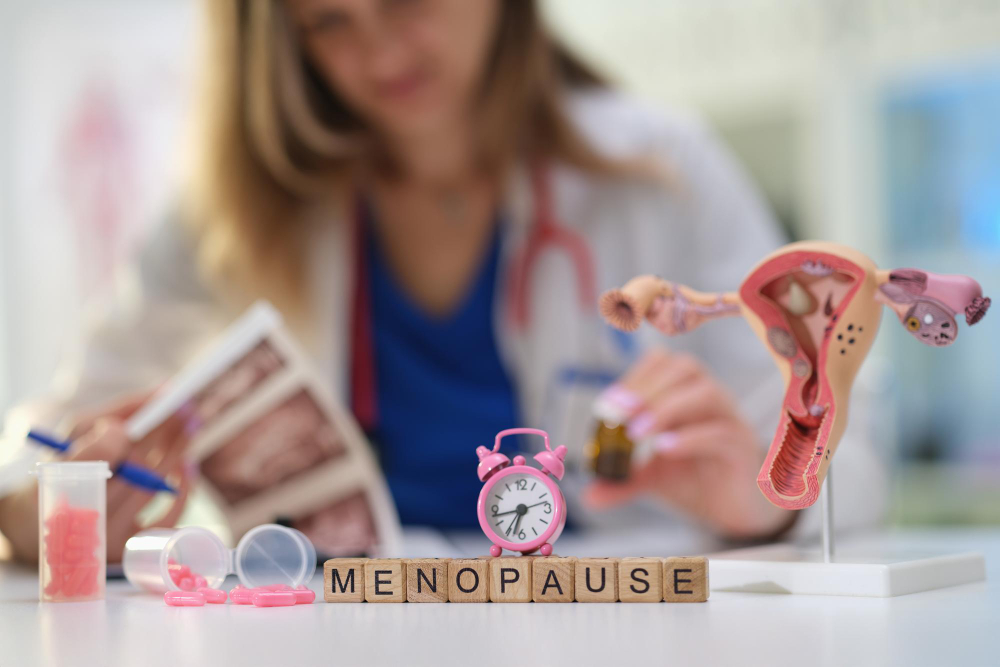
What is Menopause?
Menopause is a natural stage in a woman’s life. It marks the end of menstrual periods. Usually, menopause happens between ages 45 and 55. In the United States, the average age is about 51. During this time, the body makes less estrogen and progesterone. As a result, periods stop for at least 12 months. For many women, this change brings both physical and emotional symptoms. However, menopause is a normal part of aging.
Common Symptoms of Menopause
Many women notice changes as menopause begins. While symptoms can vary, some are very common. For example, you may experience:
Sometimes, these menopause symptoms can affect daily life. But many women find ways to manage them.
Causes and Risk Factors
Menopause happens when the ovaries stop making certain hormones. As a result, periods end. While age is the main cause, other factors can play a role. For instance, some women reach menopause early due to:
Additionally, smoking and some medical issues may increase the risk of early menopause. However, every woman’s experience is unique.
How Menopause is Diagnosed
Doctors often diagnose menopause based on symptoms and age. Usually, if you have not had a period for 12 months, menopause is likely. Sometimes, a doctor may order blood tests. These tests check hormone levels, such as follicle-stimulating hormone (FSH). However, not all women need these tests. If you have signs of menopause, talk to your healthcare provider. They can help confirm the diagnosis and rule out other causes.
Treatment and Management Options
There are many menopause treatment options. The right choice depends on your symptoms and health. For example, some women benefit from:
However, not everyone needs medicine. Your doctor can help you decide what is best. Always discuss the risks and benefits of each treatment.
Lifestyle Tips for Managing Menopause
Many women manage menopause symptoms with simple lifestyle changes. For instance, you can try:
Additionally, support from friends or groups can help you cope. Remember, small changes can make a big difference.
Prevention and When to Seek Help
While you cannot prevent menopause, you can prepare for it. For example, regular check-ups help catch health issues early. Also, healthy habits may ease symptoms. However, if you have heavy bleeding, severe pain, or symptoms that worry you, see a doctor. Early care can prevent problems and improve your quality of life.
In summary, menopause is a natural part of aging. With the right care, you can manage symptoms and stay healthy. Consult Dr. Sandeep Gupta at Neera Hospital for personalized advice on managing menopause.