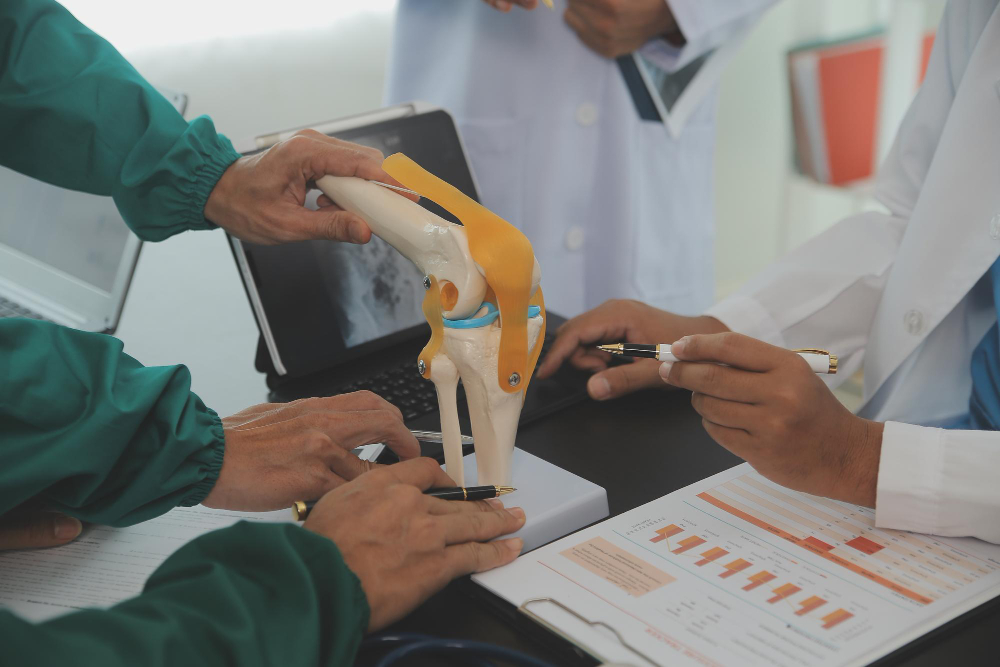
What is ORIF?
ORIF stands for Open Reduction and Internal Fixation. It is a surgery used to fix broken bones. Doctors use ORIF when a bone breaks into two or more pieces and cannot heal well on its own. During this surgery, doctors put the bone pieces back in place. Then, they use metal plates, screws, or rods to hold the bone steady. This helps the bone heal straight and strong. ORIF is a common treatment for serious fractures. According to the World Health Organization, proper bone healing is important for good movement and less pain.
When is ORIF Needed?
Doctors may suggest ORIF for certain types of fractures. For example, if the bone breaks into many pieces or moves out of place, ORIF can help. Sometimes, simple casts or splints are not enough. ORIF is often used for:
In many cases, ORIF is the best way to restore normal bone shape. This helps people return to daily activities sooner. If you have a complex fracture, your doctor may talk about open reduction and internal fixation for fractures as an option.
The ORIF Procedure
Doctors perform ORIF in a hospital. First, you receive anesthesia so you do not feel pain. Next, the surgeon makes a cut over the broken bone. This allows the doctor to see the bone clearly. Then, the surgeon moves the bone pieces back into their normal position. After that, metal plates, screws, or rods are placed to hold the bone together. Finally, the doctor closes the cut with stitches. The surgery usually takes one to three hours, depending on the fracture. After surgery, you move to a recovery room for monitoring.
Recovery After ORIF
Recovery after ORIF surgery takes time and care. Right after surgery, you may need to rest in the hospital for a few days. Doctors will check your pain and watch for swelling. Once you go home, you will need to keep the area clean and dry. Your doctor may give you medicine for pain. Physical therapy often starts soon after surgery. This helps you regain strength and movement. Recovery time depends on the bone and your health. For example, some people heal in six weeks, while others may take several months. Here are some tips for a smooth recovery:
With proper care, most people return to normal activities. However, always ask your doctor before resuming sports or heavy work. ORIF surgery recovery can vary, so regular check-ups are important.
Risks and Complications of ORIF
Like any surgery, ORIF has some risks. Most people do well, but problems can happen. Common risks include:
However, doctors take steps to lower these risks. They use clean tools and careful techniques. If you notice swelling, pain, or fever after surgery, call your doctor right away. Learning about ORIF procedure risks helps you make informed choices.
Prevention and Lifestyle Guidance After ORIF
After ORIF, it is important to protect your healing bone. For example, avoid putting too much weight on the area until your doctor says it is safe. In addition, follow these tips:
With good care, you can lower the chance of problems. Over time, most people regain strength and movement. If you live in a busy city or have a job that requires movement, talk to your doctor about safe ways to return to your routine.
Conclusion
ORIF is a proven way to fix serious bone fractures. It helps bones heal in the right position and supports a return to normal life. However, every case is different. Therefore, consult an orthopedic specialist at Neera Hospital to learn if ORIF is right for you.